Article: Coastal Style Interiors: Creating a Refined, Relaxed Living Environment
Coastal Style Interiors: Creating a Refined, Relaxed Living Environment

Coastal style interiors have long moved beyond novelty nautical themes and beach-house clichés. Today’s coastal aesthetic is a study in balance — relaxed yet intentional, light-filled yet grounded, effortless yet curated.
When thoughtfully executed, coastal interiors create a sense of calm while elevating the overall aesthetic of the home. The key is not to “decorate with the beach,” but to interpret coastal living through texture, light, proportion, and lifestyle.
Below, we explore how to style coastal interiors in a way that feels refined, personal, and enduring.
What Defines Modern Coastal Style?
Modern coastal interiors are characterised by:
-
A light, breathable colour palette
-
Natural materials and organic textures
-
Subtle layering rather than overt theming
-
Relaxed silhouettes with tailored finishes
-
A strong connection to natural light
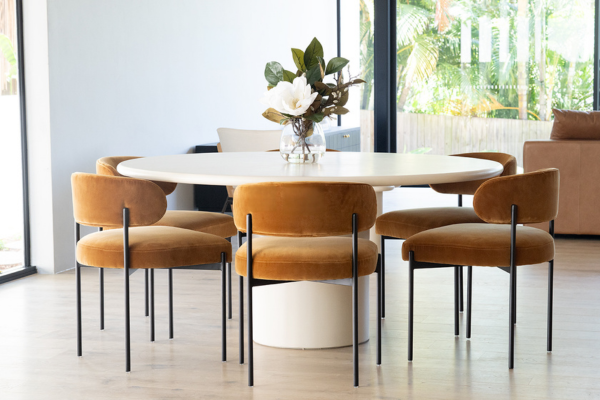
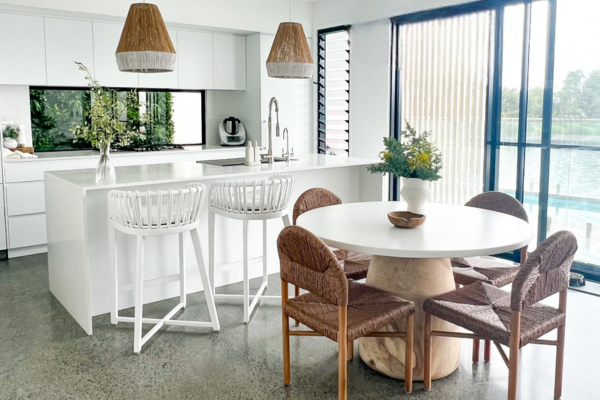
Rather than relying on overt maritime motifs, sophisticated coastal design leans into material authenticity — linen, rattan, oak, jute, marble, hand-thrown ceramics — allowing texture to become the hero.
How to Create a Relaxed Coastal Foundation
1. Start with a Light, Layered Base
A refined coastal interior begins with a neutral foundation:
-
Soft whites (not stark white)
-
Warm ivories
-
Sand and stone tones
-
Muted greys and driftwood hues
Walls, large upholstery pieces, and flooring should create a cohesive canvas. This allows texture and carefully chosen accents to add depth without overwhelming the space.
Styling Tip: Choose one dominant neutral and two supporting tones to maintain cohesion.
2. Pair Texture with Intention

Texture is what transforms a neutral room from flat to luxurious.
Consider pairing:
-
Linen upholstery with a woven jute rug
-
Timber coffee tables with ceramic vessels
-
Rattan accent chairs with structured sofas
-
Soft wool throws layered over tailored seating
The goal is contrast without chaos. Every material should feel tactile yet complementary.
Ask yourself: Does each piece add a new texture without competing for attention?
3. Balance Relaxed with Refined
True coastal sophistication lies in tension — casual comfort elevated by polish.
To achieve this balance:
-
Pair slipcovered sofas with sculptural lighting
-
Combine organic shapes with tailored lines
-
Use artisan décor in restrained quantities
-
Introduce one statement piece per room
A relaxed space should never feel unfinished. Structure is what keeps coastal interiors from appearing overly casual.
How to Style Coastal Décor Without Over-Theming

Avoid overt motifs such as anchors, rope details, or shell overload. Instead, interpret the coast through:
-
Soft blues inspired by horizon lines
-
Washed timber tones reminiscent of driftwood
-
Glass and ceramic elements that reflect light
-
Subtle oceanic artwork in muted palettes
Restraint preserves elegance. One or two references are far more powerful than repetition.
Creating a Coastal Space That Works for Your Lifestyle
Luxury coastal interiors are not about perfection — they are about livable beauty.
Consider:
-
Do you entertain often? Opt for generous seating and layered lighting.
-
Do you have children or pets? Choose durable linens and performance fabrics in forgiving tones.
-
Do you value minimalism? Keep décor restrained and invest in fewer, higher-quality pieces.
The most elevated interiors reflect how you live. A home that feels effortless is one that supports daily routines without sacrificing style.

The Power of Light
Coastal interiors thrive on natural light. Enhance it by:
-
Choosing sheer window treatments
-
Incorporating mirrors to reflect brightness
-
Using glass or open-frame furniture
-
Selecting light timber finishes
In the evening, transition to warm ambient lighting — table lamps, wall sconces, and soft overhead illumination — to maintain a relaxed atmosphere after sunset.
Common Styling Questions
How many textures are too many?
Aim for three to five distinct textures per room. Beyond that, visual calm can be disrupted.
Can coastal style work in apartments?
Absolutely. Focus on palette, light, and texture rather than architectural features.
Is coastal style always blue and white?
No. Contemporary coastal interiors often favour sand, cream, soft taupe, sage, and muted clay tones with only subtle blue accents.
How do I avoid a “beach rental” look?
Invest in craftsmanship. Quality materials and intentional styling distinguish refined coastal interiors from seasonal décor.
Elevating the Overall Interior Aesthetic
The difference between a pleasant coastal space and a truly elevated one lies in editing.
-
Remove excess décor.
-
Invest in artisan-made pieces.
-
Allow negative space to breathe.
-
Prioritise proportion and scale.
A refined coastal interior should feel serene upon entry — cohesive, textural, and considered.
Final Thoughts
Coastal style interiors are ultimately about atmosphere. When layered with intention and anchored in quality, they create environments that feel restorative yet sophisticated.
By focusing on palette, texture, light, and personal lifestyle needs, you can create a space that not only reflects coastal ease but elevates your living experience — effortlessly.
If you’re refining your coastal interior or seeking guidance on creating a cohesive, elevated aesthetic, thoughtful curation and craftsmanship will always be the foundation of enduring style.