Living Room Furniture Placement: Best Practices for Comfort, Flow and Longevity
Designing a living room that feels both inviting and functional relies as much on placement as it does on the furniture itself. Thoughtful spacing allows a room to breathe, improves day-to-day comfort, protects your walls and furnishings, and ensures the space remains easy to maintain.
Whether styling a relaxed living room or a dedicated media room, these professional guidelines help create a balanced layout that feels effortless yet considered.
Start With the Room’s Purpose
Before placing a single piece of furniture, determine how the room will primarily be used.
-
Conversation-focused living room: Seating arranged to face each other, encouraging interaction.
-
TV or media room: Seating oriented toward an entertainment unit or wall-mounted television.
-
Hybrid spaces: Seating angled toward both conversation and the television.
Once the focal point is established, the rest of the layout naturally falls into place.
Allow Space From Walls
Furniture should rarely sit tightly against the wall. Leaving breathing room behind pieces creates a more refined look and prevents everyday wear.
Recommended spacing:
-
Sofas and occasional chairs: 5–10 cm from the wall
-
Sideboards or entertainment units: 5 cm clearance from the wall
-
Larger rooms: 10–20 cm can create a more relaxed, designer feel
This small gap prevents furniture from rubbing against paintwork when someone sits down and allows easy access for cleaning.
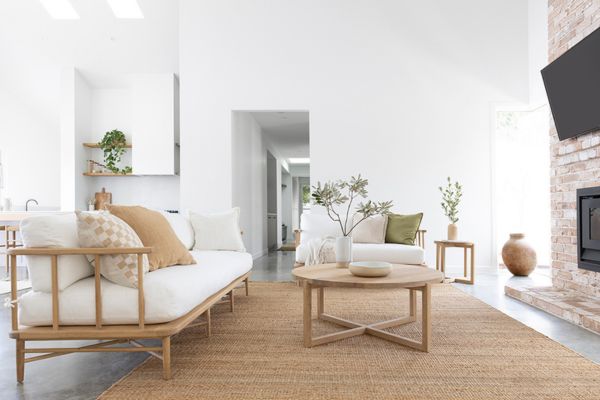
Sofa and Coffee Table Distance
The relationship between the sofa and coffee table is central to comfort.
Ideal distance:
-
40–45 cm from the front of the sofa to the coffee table
This allows guests to comfortably reach drinks or books while maintaining enough legroom to move easily.
Coffee Table Height
Proportion is equally important when selecting and positioning a coffee table.
Best practice:
-
Coffee table height should be the same height as the sofa seat or up to 5 cm lower.
A table that is too high interrupts sightlines and feels awkward, while one that is too low can make everyday use inconvenient.
Spacing Between Seating Pieces
If you have a sofa paired with occasional chairs, maintain a comfortable conversational distance.
Recommended spacing:
-
90–120 cm between opposing seating pieces
-
60–90 cm between chairs and adjacent furniture
This creates a layout where conversation feels natural without crowding the room.
Walking and Circulation Space
One of the most common design mistakes is restricting movement. Rooms should allow people to move through them without weaving awkwardly around furniture.
Guidelines for clear walkways:
-
Main walking paths: at least 90 cm wide
-
Secondary paths: 60–75 cm wide
-
Behind dining or occasional chairs: allow 90 cm if people will walk behind them regularly
Maintaining these clearances keeps the space functional while still feeling generous.
Side Tables and Accessibility
Side tables should feel like a natural extension of seating rather than an afterthought.
Placement tips:
-
Position side tables within arm’s reach of seating
-
Table height should be equal to or slightly below the arm of the sofa or chair
-
Allow 45–60 cm between side tables and nearby furniture to maintain movement space
Entertainment Units and Media Layouts
In living rooms with a television or media wall, comfort and viewing distance are key.
General viewing guideline:
-
Distance from sofa to TV should be 1.5–2.5 times the screen size.
For example, a 65-inch television typically sits comfortably 2.5–3.5 metres from the main seating.
Where possible, avoid placing primary walkways directly between the seating and the television, as regular movement through this line of sight can interrupt viewing and diminish the relaxed atmosphere of the room.
Exception — dedicated media rooms:
In some layouts, particularly narrow media rooms or spaces with rear entry, the natural circulation path may run between the seating and screen. In these cases, maintain generous walkway clearance (90 cm or more) and keep furniture profiles low to minimise visual disruption.
Balancing the Room
Once the main pieces are placed, step back and assess the room as a whole.
Consider:
-
Visual balance between large and small pieces
-
Even distribution of furniture weight across the room
-
Clear sightlines through the space
-
Comfortable conversational groupings
A well-planned layout should feel intuitive, spacious, and welcoming.
Final Thoughts
Beautiful living rooms are rarely accidental. The difference between a room that feels crowded and one that feels calm and luxurious often comes down to a few carefully considered centimetres.
Thoughtful spacing enhances comfort, protects furniture and finishes, and ensures the room remains practical for everyday living.
When furniture is positioned with purpose, the result is a space that invites people to relax, gather, and truly enjoy the room.
Disclaimer: These measurements are intended as general design guidelines. Final furniture placement should always be tailored to the proportions of the room, the scale of each piece and the practical needs of the household.