Timber Comparison Guide for Designer Furniture
A Refined FAQ for Selecting the Right Timber
In luxury furniture design, timber is more than a material — it is the foundation of character, longevity, and craftsmanship. Understanding the differences between timber types ensures each piece delivers both aesthetic beauty and structural integrity.
Below is a simplified guide to understanding timber selection within premium furniture design.
1. What are the main types of timber used in furniture?
Timber is generally divided into hardwoods and softwoods.
Hardwoods
Hardwoods come from slow-growing broadleaf trees. They are denser, stronger, and preferred for high-end furniture.

Common designer furniture hardwoods include:
- Oak - Strong, prominent grain, timeless character
- Teak - High natural oil content, smooth texture, excellent durability
- Walnut - Rich dark tone, refined grain, premium aesthetic
- Blackbutt/Spotted Gum - Australian hardwoods with strength and warmth
Best use: Dining tables, statement pieces, heirloom-quality furniture.
Softwoods
Softwoods grow faster and are lighter in weight. They are more affordable but generally less durable.

Common examples:
- Pine - Light colour, visible knots
- Cedar - Naturally aromatic, moderate oil content
Best use: Internal framing, decorative pieces, or painted furniture.
2. What timber is best for designer furniture?
There is no single “best” timber — only the best timber for the intended use. For premium designer furniture, hardwoods are almost always preferred due to:
- Superior durability
- Richer grain and tone
- Greater structural stability
- Higher perceived value
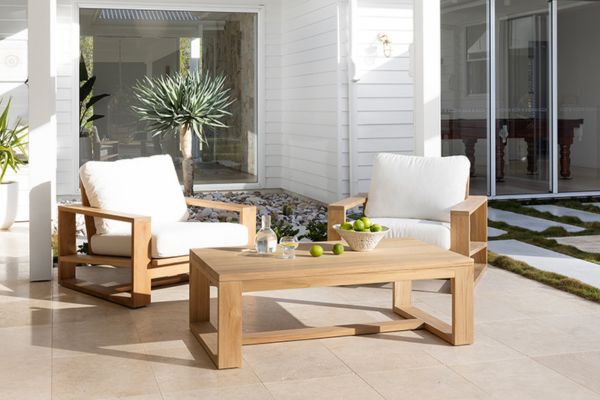
For outdoor luxury furniture, high-oil hardwoods like teak are widely regarded as exceptional due to their natural resistance to moisture and decay.
3. Why does oil content in timber matter?
Natural oil content significantly affects performance.
Higher Oil Content (Better for Outdoor Use)
Timbers with high natural oil content are naturally more durable in outdoor environments.
- Naturally repels moisture
- Resists insects and rot
- Requires less chemical treatment
- Ages gracefully outdoors
Examples: Teak, Cedar
Lower Oil Content
- More porous
- Better suited to indoor environments
- Often requires sealing or finishing
For coastal environments — such as the Sunshine Coast — selecting timber with higher natural oils can dramatically improve longevity.
4. How does timber grain affect furniture design?
Grain is the visible pattern created by the wood’s growth rings. It defines personality.
- Straight grain – Clean, modern, refined
- Open grain – Textured, rustic, organic
- Tight grain – Smooth, contemporary
- Figured grain (waves, curls) – Unique, statement-driven
In designer furniture, grain selection is intentional. A bold dining table may celebrate movement in the grain, while minimalist pieces often favour consistency.
5. Why do timber tones vary so much?
Timber tone depends on:
- Species
- Soil conditions
- Age of tree
- Cut of the timber
- Finishing process
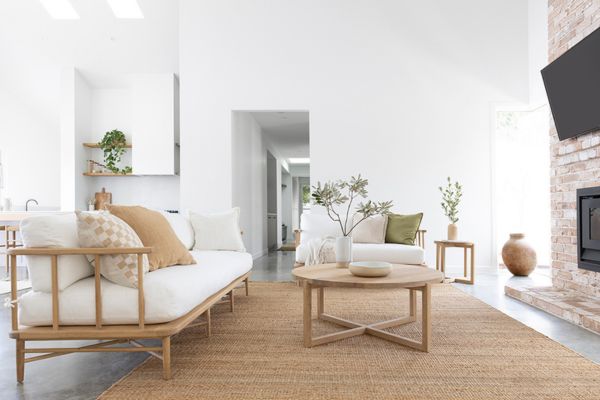
Light tones (oak, blackbutt) create airy coastal interiors.
Mid-tones add warmth and versatility.
Dark tones (walnut) bring depth and sophistication.
No two boards are identical — this natural variation is what makes handcrafted furniture distinctive.
6. Does timber structure affect quality?
Yes — structure determines strength and stability.
Important considerations include:
- Density (heavier woods are typically stronger)
- Moisture content (properly kiln-dried timber prevents warping)
- Growth ring tightness (slow growth often equals higher strength)
- Presence of knots (can add character but affect structural integrity)
Premium furniture makers carefully select, cure, and construct timber to ensure longevity — not just appearance.
7. Is solid timber better than veneer?
For high-end designer furniture:
- Solid timber offers authenticity, depth, and longevity.
- High-quality veneer can provide stability and allow rare timbers to be used responsibly.
The key is craftsmanship. Poor construction diminishes even the finest timber.
8. How should designers choose the right timber?
Selection should consider:
- Environment (indoor vs outdoor, coastal vs dry climate)
- Desired aesthetic (coastal lightness, contemporary minimalism, rich warmth)
- Expected longevity
- Maintenance requirements
- Budget
True luxury lies in aligning the timber’s natural characteristics with the intended design story.
Final Thoughts
Timber is a living material — shaped by climate, soil, and time. In designer furniture, it should be chosen not just for appearance, but for performance and integrity.
Understanding oil content, grain structure, tone variation, and density allows furniture to age beautifully rather than simply exist.
When craftsmanship and considered timber selection come together, the result is furniture designed to last for generations — not seasons.
For tailored guidance on selecting timber for bespoke or luxury coastal interiors, considered advice ensures every piece reflects both aesthetic refinement and enduring quality.
At Magnolia Lane, our suppliers work in close partnership with skilled manufacturers and artisans to ensure every piece reflects responsible sourcing, enduring quality, and refined craftsmanship. From the careful selection of sustainably harvested timbers to precision drying, joinery, and finishing, each stage is considered. Finishes are chosen to enhance the natural character of the timber while protecting its integrity over time, ensuring beauty that matures gracefully rather than fades. This collaborative approach allows us to uphold uncompromising standards — delivering furniture that honours both material and maker, and is designed to be lived with for decades.
Each product page provides detailed information on the timber selected, its natural ageing characteristics, the finishes applied, and considered care guidance — ensuring every purchase is made with clarity and confidence.